





















2025 RTO Standards

 Complete Guide to Compliance

The most important regulatory update since 2015.

Outcomes. Leadership. Compliance culture.

Here’s what every RTO needs to know.

The Standards for RTOs 2025

Effective 1 July 2025, these mark the biggest shift since 2015.

Where the 2015 Standards focused heavily on ticking boxes and administrative compliance, the new
Standards are designed to:

2025 Standards

Outcomes-Driven

The new Standards are designed to create a culture of excellence and continuous improvement.

This guide will help your RTO:

Break down the changes in plain English

Provide action checklists to implement now

Highlight risks and what ASQA will look for

Prepare for audits and ongoing compliance

What's Changed : 2015 vs 2025

The 2025 Standards move RTOs away from tick-box compliance and towards a culture of outcomes and accountability. Records are stricter (2 years for assessments, 30 years for certification), leaders are directly responsible for compliance, industry engagement must be ongoing, and material changes must be reported within 10 days.

The shift is about proving quality, not just paperwork.

Area

2015 Standards

2025 Standards

Training & Assessment

Prescriptive TAS formats; focus on “amount of training”.

Greater flexibility – no official TAS template required. Training must be engaging, well-structured, and paced to support student progress.

Assessment Records

Retention requirements varied.

Must retain assessment records for 2 years; AQF certification documentation must be retained for 30 years.

Validation

Every 5 years (set cycle).

Pre-validation required before delivery. Frequency now risk-based (more often if high risk, feedback, or changes occur).

Industry Engagement

One-off or token engagement accepted.

Must be ongoing and genuine, involving employers, industry, and community reps.

Governance & Leadership

Focus on finances and admin.

Leaders must demonstrate suitability, diligence, and integrity. Leadership expected to drive compliance culture.

Risk Management

Often reactive (responding to audits).

Must be systematic & proactive: risk registers, financial monitoring, COI management, child safety where relevant.

Notification of Material Change

Notify ASQA within 90 days.

Notify ASQA within 10 business days for key changes (ownership, key personnel, third-party arrangements).

Marketing & Transparency

Less explicit.

Stricter rules: no misleading claims; all course info must include codes, status, delivery details.

The Four Quality Areas

Quality Area 1

Training & Assessment

01

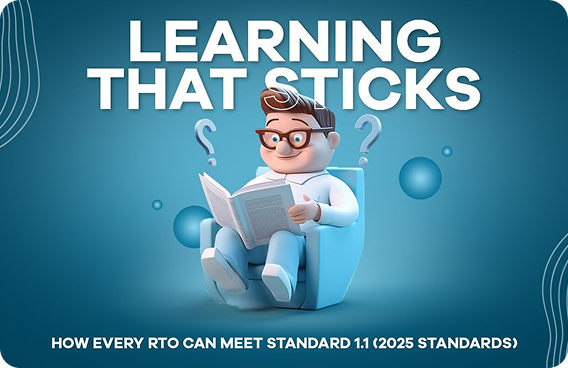
1.1

Learning That Sticks

Training must be engaging, well-structured, paced, with practice & feedback.

1.2

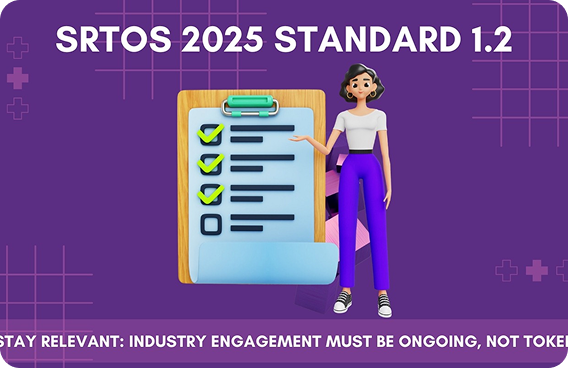
Stay Relevant

Industry engagement must be ongoing, not token. Evidence required (minutes, forms, letters).

1.3

Check Before You Test

All assessment tools must be pre-validated before use.

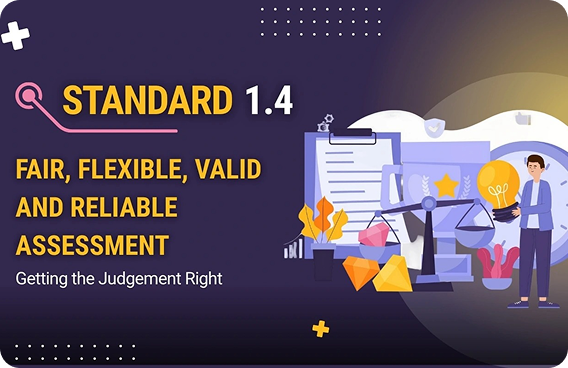
1.4

Fair, Flexible, Valid and Reliable Assessment

Getting the Judgement Right.

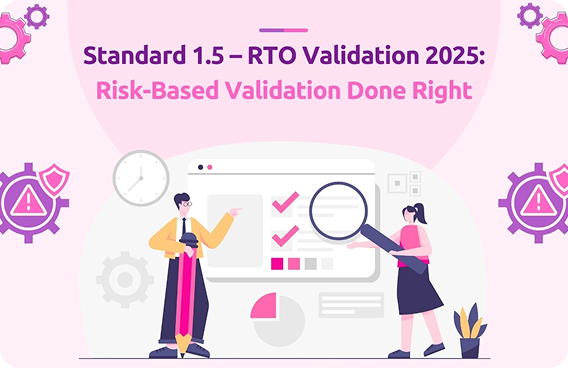
1.5

RTO Validation 2025

Validation now risk-based; independent validators required for TAE.

1.6

Recognition of Prior Learning

Making RPL Work.

1.7

Credit Transfer

Making RPL Work.

1.7

Facilities, Resources & Equipment

Getting It Right.

Quality Area 2

Student Support

03

CP

Credential Policy

Trainers/assessors must hold or work towards updated TAE or equivalent.

E

Evidence

Vocational competency, industry currency, PD logs required.

S

Supervision

Staff under direction cannot make assessment judgements.

R

Risk

Expired industry skills, missing credential evidence = audit failures.

Quality Area 2

Student Support

02

2.1

Clear & Accurate Information (SRTOs 2025)

All marketing and enrolment info must be current.

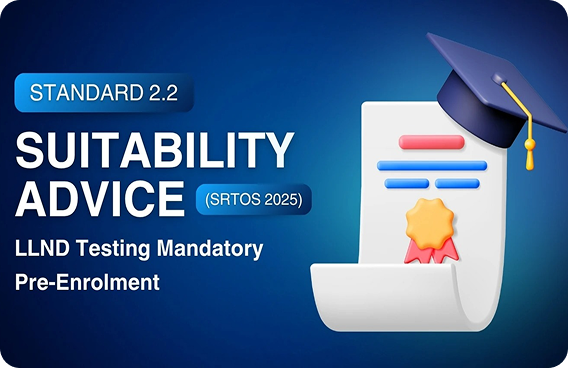
2.2

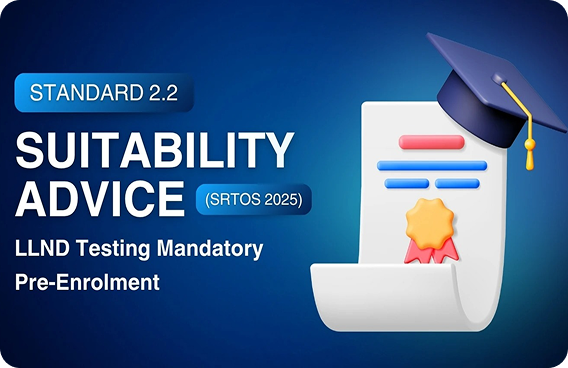
Standard Suitability Advice (SRTOs 2025)

LLND testing mandatory pre-enrolment.

2.3

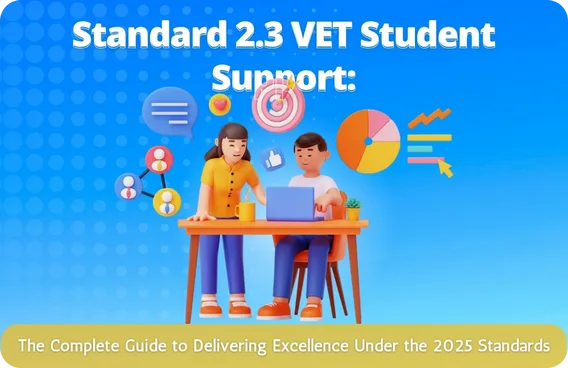
Ongoing Support (SRTOs 2025)

Monitor student progress, intervene early.

2.5 2.6

Wellbeing & Diversity

Culturally safe, inclusive practices + wellbeing support.

2.7

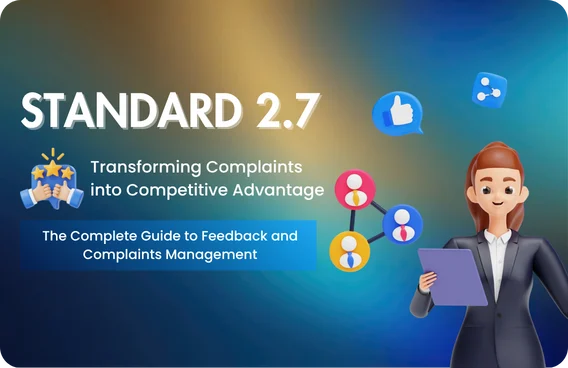
Feedback That Counts

Complaints must feed into continuous improvement.

Quality Area 4

Leadership & Governance

04

4.1

Culture Starts at the Top

Leaders must drive compliance culture.

4.2

Governance Arrangements

Clear roles, staff induction, third-party monitoring.

4.3

See Problems Before They Happen

Risk management must be systematic, with registers, financial oversight, and COI management.

4.4

Always Getting Better

Continuous improvement embedded; must document actions and outcomes.

Complete Quality Framework

Standards
0 +
Quality Areas
0
Coverage
0 %

Continuous

Every aspect of your RTO operations covered under the comprehensive 2025 framework.

Compliance Standards & Audit Essentials

Key areas ASQA will scrutinise

Marketing & Advertising

No misleading claims.
Clear codes & status.
Third-party marketing under control.

Material Change Notifications

Must notify ASQA within 10 business days.

Assessment Records

2 years for assessment evidence; 30 years for certification docs.

Audit Readiness

Expect ASQA to check governance, Credential Policy compliance, TAS evidence, and risk frameworks first.

RTO Readiness Checklist

(Effective 1 July 2025)

Your 2025 Compliance Checklist

Frequently Asked Questions (FAQs)

Yes, EMI payment plans are available. Please get in touch with us for the details.

Yes, EMI payment plans are available. Please get in touch with us for the details.

Material changes — such as changes to ownership, key personnel, scope of registration, or third-party agreements — must be reported to ASQA within 10 business days. Failure to notify within the timeframe can lead to compliance action or penalties.
Industry engagement should be ongoing, not just once a year. ASQA expects RTOs to show evidence of regular, genuine engagement with industry, employers, and community representatives to keep training current and relevant.
If your RTO is also a key player in industry (e.g., an enterprise RTO or industry association), internal engagement can count — but it should not be the only form of engagement. You’ll still need external input from industry and employer reps.
From 1 July 2025, trainers and assessors must: Hold the latest TAE qualification (or equivalent), or be working towards it under supervision, with evidence of progress, and maintain industry currency and vocational competency. Supervision arrangements must be documented, and staff under direction cannot make assessment judgements.
No. Trainers and assessors under supervision can deliver training and contribute to assessment, but they cannot make final assessment judgements. Only qualified assessors who meet the Credential Policy requirements may do so.
Pre-validation (Standard 1.3): Happens before delivery. All assessment tools must be reviewed to confirm alignment with the training product and industry requirements. Validation (Standard 1.5): Happens after delivery. It reviews completed assessments to confirm judgements were valid, reliable, fair, and consistent. Validation frequency is now risk-based.
Expect ASQA to look closely at: Credential Policy compliance, TAS documentation and pre-validation evidence, risk management framework, student support systems, and marketing and website compliance.
No. The 2025 Standards do not require attendance records for compliance. However, you must demonstrate student progress through structured training, logical sequencing of units, and clear assessment pathways.
Examples include: Promising guaranteed jobs or outcomes without evidence, using out-of-date course codes, failing to distinguish accredited vs non-accredited training, allowing unapproved marketing by third parties.
Outcome Standards focus on results (e.g., quality training), while Compliance Standards specify administrative and record-keeping requirements (e.g., marketing rules, material change notifications).

Read more blogs to stay compliant with the new SRTO Standards 2025

Ready to Ensure Your RTO’s 2025 Compliance?

Don’t wait until July 1st. Start preparing now with our comprehensive resources and
expert guidance.

Questions? Contact us at info@vetresources.com.au

Get A Free Sample

Request Your Free Sample, Product Info & Pricing Today

By submitting this form, you agree to the VET Resources Privacy Policy.