Hiring the right employee is one of the most important decisions any business can make. Every successful organization is built on a team of skilled, motivated, and dependable professionals. Whether you’re a startup looking for your first employee or an established company expanding your workforce, selecting the right candidate directly impacts productivity, company culture, customer satisfaction, and long-term growth.
Unfortunately, hiring the wrong person can be expensive. It often leads to reduced productivity, increased turnover, additional recruitment costs, and lost business opportunities. That’s why businesses need a structured hiring process that focuses on finding candidates who not only possess the required skills but also align with the company’s values and future goals.
In this guide, we’ll discuss practical strategies that help businesses make smarter hiring decisions and build stronger teams.
Why Hiring the Right Candidate Matters
Employees are more than just workers—they represent your company. Every interaction they have with customers, colleagues, and stakeholders reflects your organization’s reputation.
Hiring the right candidate helps businesses:
- Increase workplace productivity
- Improve employee retention
- Build a positive company culture
- Reduce recruitment and training costs
- Improve customer satisfaction
- Support long-term business growth
On the other hand, a poor hiring decision can negatively affect team morale and create unnecessary expenses.
Understand Your Hiring Needs
Before posting a job opening, clearly define what you’re looking for.
Ask yourself:
- What responsibilities will this role include?
- Which technical skills are essential?
- What experience level is required?
- What personality traits would fit your workplace?
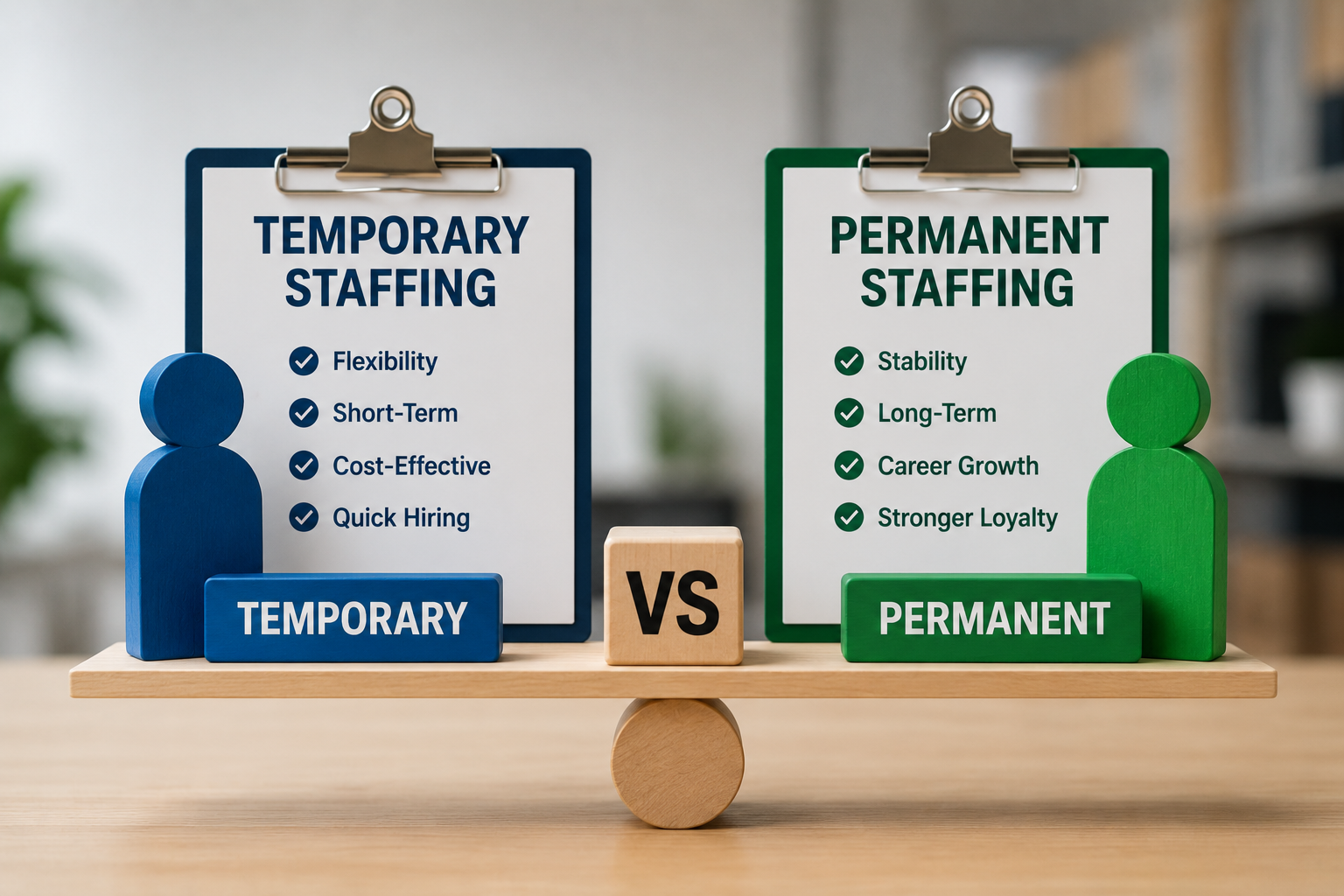
- Is this a permanent or temporary position?
Creating a detailed job description attracts more qualified applicants and helps eliminate unsuitable candidates early in the recruitment process.
A well-written job description should include:
- Job title
- Key responsibilities
- Required qualifications
- Preferred experience
- Salary range (if applicable)
- Benefits
- Work location
- Employment type
Look Beyond the Resume
While resumes provide useful information, they don’t tell the complete story.
Many candidates possess impressive qualifications but may struggle with teamwork, communication, or adaptability.
When reviewing resumes, pay attention to:
- Career progression
- Relevant industry experience
- Certifications
- Skills related to the position
- Stability in previous roles
- Achievements rather than responsibilities
Instead of focusing only on academic qualifications, consider how candidates have solved problems and contributed to previous employers.
Assess Technical Skills Properly
For technical or specialized roles, practical skills matter more than theoretical knowledge.
Depending on the position, consider:
- Technical assessments
- Practical assignments
- Coding tests
- Design tasks
- Writing samples
- Sales presentations
- Problem-solving exercises
These assessments provide a realistic understanding of a candidate’s capabilities before making an offer.
Evaluate Soft Skills
Technical skills can often be taught, but soft skills are equally important.
Strong candidates usually demonstrate:
- Communication skills
- Leadership potential
- Teamwork
- Adaptability
- Time management
- Critical thinking
- Emotional intelligence
- Problem-solving ability
Employees with excellent interpersonal skills often perform better in collaborative environments and contribute positively to workplace culture.
Conduct Structured Interviews
Many businesses rely on casual interviews, which often lead to inconsistent hiring decisions.
Instead, prepare structured interviews with standardized questions for every candidate.
Some useful interview questions include:
- Tell us about a challenging project you handled.
- How do you prioritize multiple deadlines?
- Describe a difficult workplace situation and how you resolved it.
- Why are you interested in joining our company?
- What motivates you professionally?
Structured interviews make it easier to compare candidates fairly and objectively.
Check Cultural Fit
Hiring someone with excellent qualifications isn’t enough if they don’t align with your organization’s values.
Consider whether the candidate:
- Works well in teams
- Shares your company’s mission
- Demonstrates professionalism
- Adapts to workplace culture
- Respects diversity
- Shows willingness to learn
Employees who fit the company culture generally stay longer and contribute more effectively.
Verify References
Reference checks remain one of the most valuable parts of recruitment.
Speak with previous managers or supervisors to verify:
- Employment history
- Performance
- Attendance
- Professional behavior
- Teamwork
- Reliability
Reference checks can reveal valuable insights that resumes and interviews may not uncover.
Consider Growth Potential
Hiring should focus on both current abilities and future potential.
Look for candidates who demonstrate:
- Curiosity
- Continuous learning
- Career ambition
- Adaptability
- Leadership qualities
Employees with growth potential often become future managers and key contributors within the organization.
Avoid Common Hiring Mistakes
Many organizations unintentionally make hiring errors that lead to poor recruitment outcomes.
Some common mistakes include:
Hiring Too Quickly
Urgent hiring decisions often result in selecting the wrong candidate.
Ignoring Company Culture
A technically skilled employee who doesn’t fit your culture may negatively impact the team.
Overlooking Soft Skills
Communication and teamwork are essential for long-term success.
Asking Poor Interview Questions
Generic questions rarely reveal how candidates perform in real situations.
Skipping Background Verification
Always verify employment history and references before extending an offer.
Use Multiple Recruitment Channels
Limiting recruitment to one platform reduces access to quality talent.
Businesses should consider:
- Company careers page
- Job portals
- Professional networking platforms
- Employee referrals
- Campus recruitment
- Staffing agencies
- Social media recruitment
Using multiple channels increases the chances of finding highly qualified candidates.
Partner with a Professional Staffing Agency
Recruitment agencies simplify the hiring process by providing access to pre-screened candidates.
Benefits include:
- Faster hiring
- Access to larger talent pools
- Industry expertise
- Reduced recruitment costs
- Better candidate screening
- Flexible staffing solutions
Professional staffing partners help businesses fill positions efficiently while maintaining hiring quality.
Create a Positive Candidate Experience
Every interaction with candidates shapes your employer brand.
Ensure that applicants experience:
- Clear communication
- Timely interview scheduling
- Professional interview process
- Honest feedback
- Respectful treatment
Even candidates who aren’t selected may recommend your company if they have a positive recruitment experience.
Make Data-Driven Hiring Decisions
Modern recruitment increasingly relies on data rather than intuition.
Track recruitment metrics such as:
- Time-to-hire
- Cost-per-hire
- Employee retention rate
- Interview-to-offer ratio
- Quality of hire
- Candidate satisfaction
These insights help improve recruitment strategies over time.
Onboard New Employees Successfully
Hiring doesn’t end once the offer letter is signed.
A structured onboarding process helps employees become productive faster.
Effective onboarding includes:
- Orientation sessions
- Training programs
- Team introductions
- Clear performance expectations
- Regular feedback meetings
A positive onboarding experience significantly improves employee retention.
Conclusion
Choosing the right candidate is about more than filling an open position. It’s about investing in the future success of your business. By clearly defining job requirements, evaluating both technical and soft skills, conducting structured interviews, verifying references, and focusing on long-term potential, businesses can make smarter hiring decisions.
A strategic recruitment process helps reduce hiring risks, improves employee satisfaction, and builds a workforce capable of driving business growth. Whether you recruit internally or partner with a professional staffing agency, taking the time to hire the right people will always deliver long-term value.
Frequently Asked Questions (FAQs)
1. Why is hiring the right candidate important?
Hiring the right candidate improves productivity, employee retention, workplace culture, and overall business performance while reducing recruitment costs.
2. What should employers look for besides qualifications?
Employers should evaluate communication skills, adaptability, teamwork, problem-solving abilities, cultural fit, and willingness to learn.
3. How can businesses reduce hiring mistakes?
By using structured interviews, conducting skill assessments, checking references, and clearly defining job requirements before recruitment begins.
4. Should companies use staffing agencies?
Yes. Staffing agencies help businesses access qualified candidates quickly, reduce hiring time, and improve recruitment efficiency.
5. What is the biggest mistake employers make during hiring?
One of the biggest mistakes is rushing the recruitment process without properly evaluating candidates’ skills, experience, and cultural fit.